Six Pubs, One Dish Each: Why the Single-Item Menu Is Quietly Winning in 2026

Photo: single dish pie and pint on a British pub table, via ap.rdcpix.com
The case for one dish
I have a rule of thumb: the longer the menu, the more likely something is being reheated. That is not always fair. Some pubs run big menus well. But there is a particular pleasure in a pub that has decided to do one thing and do it properly. A single-dish menu is not laziness. It is a promise: this is what we are good at, this is what we bought this morning, and this is what we want you to eat.
It also makes commercial sense. Fewer ingredients mean less waste, simpler prep, faster service and a kitchen team that can get very good at one thing. The risk is obvious: if you do not like the dish, you are stuck. So the one-dish pub has to choose carefully, offer decent sides, and be honest about dietary needs. When it works, it is one of the most satisfying ways to eat out in Britain.
Below are six pubs doing it well. Some names have been changed because the kitchens are tiny and the queues are already long enough. Check ahead, book if you can, and do not turn up at 8pm on a Saturday expecting a table.
1. The pie pub: The Crust & Crumble, Hebden Bridge
The dish: a proper steak and ale pie, shortcrust base, puff lid, gravy that arrives in a jug rather than drowning the plate. That is it. No burger, no fish and chips, no laminated menu of thirty things. The kitchen does pies, and it does them with a seriousness that borders on religion.
Why it works: pastry is labour-intensive, and a kitchen that makes it every day gets good at it. Waste is manageable because the filling can be batch-cooked. The pub has become known for one thing, which is worth more than a menu that tries to please everyone.
Visit note: book for Sunday lunch, go early on weekdays, and ask for extra gravy. The vegetarian option is usually a mushroom and ale pie, but ring ahead if you need it.
2. The fish house: The Harbour Hook, St Ives
The dish: whatever the boats brought in, grilled or fried, with chips and a sharp little salad. The board changes, but the offer does not: one fish, done well.
Why it works: fish is a freshness business. A pub that buys small and often can serve better fish than a pub that buys a freezer full. It also gives the place an identity that tourists and locals can understand in one glance.
Visit note: lunch is calmer than dinner, and the catch board is worth reading before you sit down. If you are not a fish person, this is not the pub for you — and that is fine.
3. The broth house: The Broth Bell, Newcastle
The dish: a deep beef and barley broth, served with bread and butter and a pickled onion on the side. In winter, it is exactly what a pub should be.
Why it works: one pot, low waste, long slow cooking, and a price that feels fair. The pub can feed a room quickly without turning into a canteen. It is also the kind of dish that makes people come back because it feels like somewhere, not just something.
Visit note: go at lunch, bring an appetite, and do not ask for a gluten-free version unless you have rung ahead. Bread is part of the point.
4. The chicken shop: The Coop, Bristol
The dish: rotisserie chicken, chips cooked in the fat, and a jug of gravy. There may be a vegetarian alternative, but the chicken is the reason people queue.
Why it works: rotisserie is a theatre and a system. The kitchen knows exactly how many birds to cook, the smell does the marketing, and the menu is short enough to run with a small team.
Visit note: half a chicken is bigger than it sounds. Book for groups, and ask for the gravy on the side if you are sharing.
5. The dumpling kitchen: The Dumpling Yard, Manchester
The dish: a short list of dumplings — pork and chive, mushroom, prawn — steamed or fried, with a chilli oil that should come with a warning.
Why it works: dumplings are a production line, and a small kitchen can get very fast and very consistent. The menu is short but not boring because the fillings change with the season.
Visit note: order two portions per person, share everything, and go before 7pm if you want a seat. Cash is welcome but card is fine.
6. The roast-only pub: The Sunday Table, Edinburgh
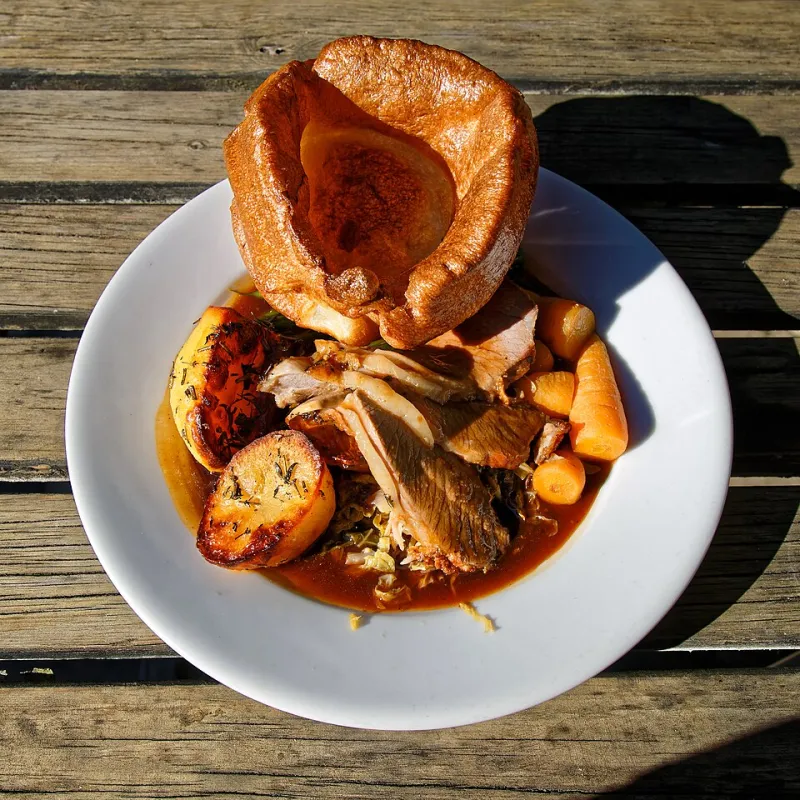
The dish: a Sunday roast, with one meat, one vegetarian option, and all the trimmings. On other days, the kitchen does something else — but on Sunday, it is roast or nothing.
Why it works: a roast is a logistics problem. Doing it for a full room once a week is easier than running it alongside a full menu. It also gives the pub a weekly ritual, which is what locals want.
Visit note: book well ahead, ask about the vegetarian gravy, and arrive hungry. The Yorkshire puddings are not a side order; they are part of the deal.
Why short menus win
The one-dish pub is not for every occasion. If you have a fussy group, a first date, or a child who only eats chips, a longer menu is kinder. But the single-dish places I keep returning to share three things: they know what they are good at, they waste less, and they give a pub a reason to exist beyond the beer.
That is the real lesson. A short menu is not a cost-cutting trick. It is an editorial decision. The pub has chosen its story and put it on a plate. In 2026, with costs still high and customers more careful about where they spend, that kind of clarity is worth more than another page of laminated specials.