The Toastie Leaves the Late Shift: Britain's Pubs Get Serious About the Press in 2026
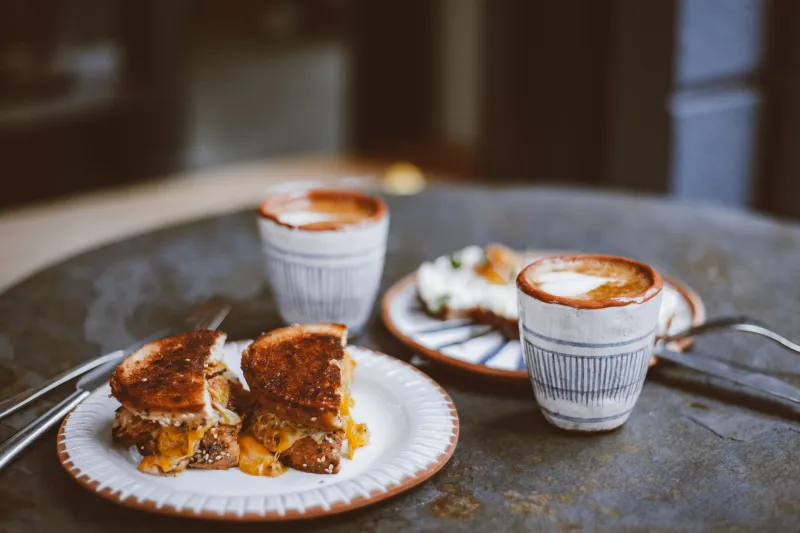
There was a time, not so long ago, when the pub toastie was a rumour rather than a menu item. You knew a place did one because someone at the bar mentioned it, usually after 9pm, usually with a slightly apologetic shrug. It arrived on a white plate, cut diagonally, with a few crisps and a smear of something red. It was fine. It was fuel. It was never the reason you chose the pub.
In 2026, that has changed. The toastie has edged out of the late-night shadows and onto the main menu, sometimes at the top of it. Kitchens are treating it as a proper piece of cooking rather than a favour for the hungry. And while nobody is suggesting the pub toastie should challenge the Sunday roast for cultural supremacy, it has become one of the most honest things you can order in a British boozer.
From Last Orders to First Choice
The shift did not happen overnight. For years, the pub toastie lived in the same category as the microwave nacho and the basket of scampi: food that existed to soak up a pint rather than to be enjoyed on its own terms. It was a Breville-and-butter operation, often made by whoever was behind the bar, and it tasted best when you were three pints in and past caring.
What changed was confidence. As pubs leaned harder into food to survive, kitchens started looking at the toastie and seeing not a shortcut but a test. If you can make a genuinely good toastie — crisp outside, molten inside, properly seasoned, not leaking grease — you can probably cook. If you cannot, the rest of the menu starts to look suspicious.
By 2026, the toastie has become a calling card. It appears on chalkboards next to the pie and the fish. It is listed with ingredients that suggest someone thought about it. And in the best pubs, it is no longer something you order because you are too late for the kitchen. It is something you order because you have heard it is worth the trip.
The Leftover Doctrine
The most interesting development is the way the toastie has absorbed the rest of the menu. Roast-dinner leftovers — the Sunday beef, the horseradish, a few roast potatoes crushed into the mix — are being pressed between sourdough and served with a pot of gravy for dipping. This is not a bin-clearing exercise. It is a second service, and a clever one. The best versions taste like the roast was always meant to end up here.
Then there is the cheese board. Pubs that serve a proper cheeseboard often end up with offcuts — the heel of a cheddar, a wedge of Stilton that is too small to plate, a rind of something soft and pungent. In 2026, these are being folded into toasties with house-made chutney. The result is a toastie that tastes like the pub's own larder: salty, sharp, sweet, a bit unruly. It is the opposite of the bland, uniform cheese-and-ham of the late-night era.
The chutney matters as much as the cheese. A house-made apple and ale chutney, or a piccalilli with a bit of crunch, tells you the kitchen is paying attention to the bits between the bread. It also gives the toastie a sense of place. You are not eating a generic snack. You are eating something that belongs to this pub, this menu, this week's prep list.
What a Toastie Tells You
A toastie is a small thing, but it is not a simple one. It asks questions of a kitchen. Is the bread fresh enough to crisp without collapsing? Is the butter real, or is it a spray? Is the cheese a blend that melts properly, or a single slice of something that turns to rubber? Is the press hot enough to get colour without drying out the middle? Has anyone rested the thing for thirty seconds before cutting it, or does it arrive with magma running onto the plate?
You can learn a lot from the answers. A pub that serves a toastie with good bread, a proper cheese mix and a chutney it made itself is a pub that cares about the details. A pub that serves a soggy, grease-heavy slab with a packet of crisps is telling you something too — usually that the kitchen is stretched, or the menu is bigger than the team can handle.
That is why the 2026 toastie feels different. It has become a small audit of kitchen confidence, and pubs know it. The best ones are not hiding it on a back page. They are putting it out front, sometimes with a note about the bread or the cheese or the chutney. They are proud of it. They should be.
Three Toasties Worth the Trip
You do not need a directory to find a good one. The patterns are clear enough. The roast-dinner toastie — beef, horseradish, potato, gravy on the side — is the most ambitious and the most comforting, a Monday lunch that tastes like a Sunday well spent. The cheeseboard toastie — Stilton, cheddar, maybe a little leek or onion, house chutney — is the sharpest and the most pubby, the sort of thing that demands a pint of best bitter rather than a soft drink.
Then there is the sleeper: the simple cheese and onion, done properly. Good sourdough, a mix of mature cheddar and something softer, slow-cooked onions, a little mustard. No gimmicks. Just care. When a pub gets that right, it does not need the leftovers or the cheese-board offcuts. It has already proved the point.
The Pint and the Press
There is a reason the toastie belongs in a pub rather than a cafe. It is a food built for drinking — salty, rich, savoury, substantial without being a full meal. A pint of bitter cuts through the cheese. A dark ale leans into the chutney. Even a lager works, if the toastie is not too heavy. The pub context makes it make sense.
And that is the quiet upgrade of 2026. The toastie has not become fancy. It has become deliberate. It is still the food you order when you are hungry and not quite ready to go home, but it is also the food you order because you have heard the kitchen does it properly. That is a small shift, but it says a lot about where pub food is heading.
At The Glen Tavern, we have always believed the best pub food is the food that does not pretend to be something else. A toastie is not a tasting menu. It is bread, butter, cheese and something sharp, pressed until it is better than the sum of its parts. When a pub gets that right, it is not just feeding you. It is showing you what kind of place it is.
So next time you see a toastie on the menu, do not skip past it on the way to the pie. Look at the bread. Look at the chutney. Look at whether the kitchen has bothered. In 2026, the pub toastie has left the late shift. It has earned a proper look.