The Chippy Does the Frying, You Do the Pouring: A Practical Guide to Pub-Takeaway Partnerships
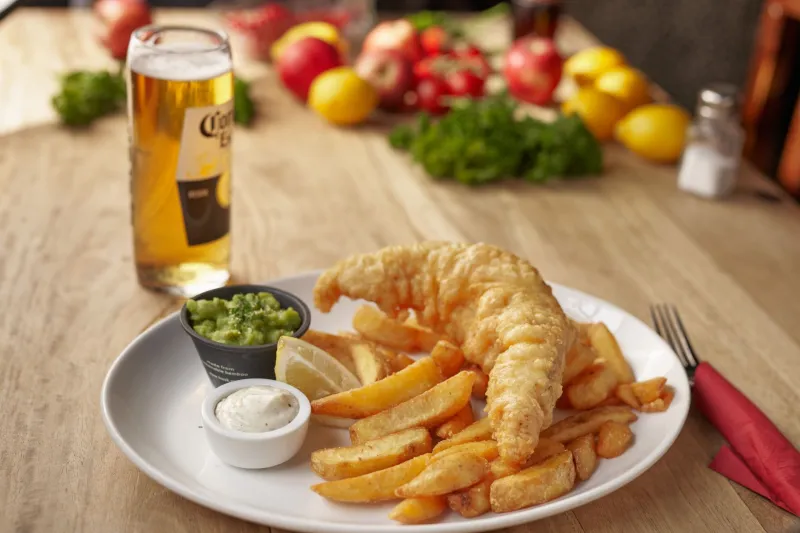
You can tell a lot about a pub by what happens at 8pm on a Friday. In a wet-led local, it is a pint, a packet of crisps and a quiet negotiation about whether anyone can be bothered to cook. In 2026, some landlords are answering that question by pointing at the chip shop two doors down and saying: bring it in, but buy a drink while you are at it.
Why hand over the frying?
Not every pub has a kitchen. Not every pub with a kitchen wants it open at 9pm on a Tuesday. Staffing, energy and food waste make a full menu a tough ask, especially for smaller locals. A partnership with a nearby takeaway lets the pub do what it does best — pour beer, provide seats, create atmosphere — while someone else handles the hot food.
Done badly, it turns the bar into a collection point and the pub into a waiting room. Done well, it is a simple trade: the takeaway gets extra customers, the pub gets extra drinks, and the customer gets a hot dinner with a proper pint. That is the theory. The practice needs a bit more thought.
The margin question
Food margins in a pub kitchen can look attractive on paper, but they come with a chef, a fridge, a hygiene regime and a lot of waste. Wet sales are simpler. If a group of four spends £30 at the chippy and £24 at the bar, the pub has taken £24 without buying a single potato. The chip shop has had a busy Friday. The customer has had a hot dinner and a decent pint. That is the basic arithmetic.
Some pubs charge a small table or plate fee — £1 or £2 a head — to cover cutlery, condiments and washing up. Others take a commission from the takeaway. Many do neither, treating the arrangement as a marketing cost. The right answer depends on how busy the pub is and how much the partnership is actually driving wet sales. Track it. If the extra drink sales do not cover staff time, waste and cleaning, it is a hobby, not a partnership.
Licensing and the small print
Before you print the chalkboard, check the paperwork. Your premises licence may include conditions about food, drink or late-night refreshment. A pub does not usually need a licence to let customers eat food they have bought elsewhere, but conditions vary, and a quick call to the council’s licensing team is cheaper than a visit from an enforcement officer.
If the takeaway delivers after 23:00, the takeaway may need late-night refreshment authorisation. The pub’s insurance should be checked too: public liability for the premises, product liability for the food. If pub staff plate up, reheat or handle the food, the pub may take on more food safety responsibility than it expects. Ask environmental health. Keep allergen information visible. Do not guess.
What customers actually want
Customers are not asking for a restaurant. They want a clean table, a knife and fork, a pint and no awkwardness at the bar. The best partnerships feel normal: a chalkboard says ‘Order at the chip shop, eat here, buy your drinks at the bar’. A stack of menus sits by the door. Staff know the arrangement. Nobody has to explain it twice.
Families like it because it is cheaper than a full pub meal. Late-night crowds like it because the kitchen is closed but the pub is not. Local takeaways like it because they get extra customers without extra seats. The appeal is not complicated. It just has to be handled with a bit of care.
A short guide to making it work
Start with one partner and one night. Agree the basics in writing: days, hours, collection point, who clears tables, who supplies cutlery, and what happens if the order is wrong. Keep the bar clear. Use a side table, a hatch or a marked collection point. Never let a queue of people with paper bags block the pumps.
Take pre-orders where you can. A QR code or phone number lets the chip shop time the cooking and the pub know when food is arriving. Set a cut-off. A pub is not a 24-hour canteen. Last food orders at 9pm is a reasonable line. Protect the atmosphere: do not run the partnership during a quiz, a match or a busy live music night unless you have the space. Keep your own snacks. Crisps, nuts and pork scratchings still matter. They are quick, high-margin and require no washing up. Measure it. Compare wet sales on partnership nights with equivalent nights. Ask staff. Ask customers. If it is not working, stop.
The queue problem
The biggest risk is not licensing. It is the bar. A pub that suddenly has ten people standing at the counter with takeaway bags is a pub that has lost its purpose. Customers who came for a quiet pint cannot get served. Staff are answering questions about someone else’s menu. The fix is simple: separate the food collection from the drink service. Use a table near the door, a side hatch or a staff runner. Put a sign on the bar: ‘Food collection at the table by the window’. It sounds small. It is the difference between a partnership and a nuisance.
Try it before you commit
Run a four-week trial. Pick a quiet night. Tell the chip shop, tell the regulars, put it on social media and see what happens. If the pub fills with people who would otherwise have gone home, you have found something. If it fills with people who buy one lemonade and leave a pile of chip paper, you have found that too.
At its best, the pub and the takeaway are not competitors. They are two rooms of the same evening: one for frying, one for pouring. The trick is to keep the bar clear, the paperwork tidy and the welcome warm. The rest is salt and vinegar.